Basics of Engine Operation
Understanding the Four Strokes of a 4-Stroke Small Engine
The small engine is a marvel of engineering that powers a wide range of machinery, from lawnmowers to motorcycles. At the heart of many of these engines is the 4-stroke cycle, a process that efficiently converts fuel into motion. Understanding the four strokes of a 4-stroke engine is essential for anyone interested in mechanics or engine maintenance. This article delves into each stroke, explaining its role and significance in the engine's operation.
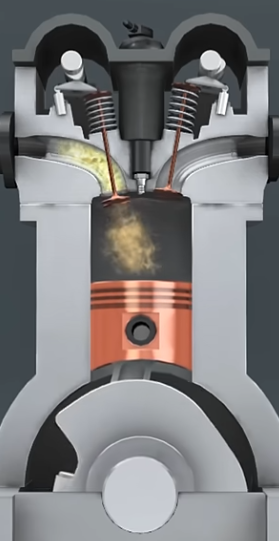
1. Intake Stroke
The cycle begins with the intake stroke. During this phase, the intake valve opens, and the piston moves downward in the cylinder. This movement creates a vacuum that draws a mixture of air and fuel into the combustion chamber. The precise mixture of air and fuel is crucial for the engine's efficiency and performance. By the end of the intake stroke, the cylinder is filled with this combustible mixture, ready for the next phase.
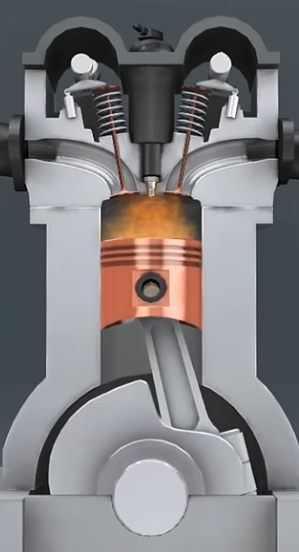
2. Compression Stroke
Following the intake stroke is the compression stroke. Here, the intake valve closes, and the piston moves back up the cylinder. This upward motion compresses the air-fuel mixture, significantly increasing its pressure and temperature. Compression is vital because it prepares the mixture for ignition, ensuring that it combusts efficiently. The better the compression, the more power the engine can produce from the same amount of fuel.
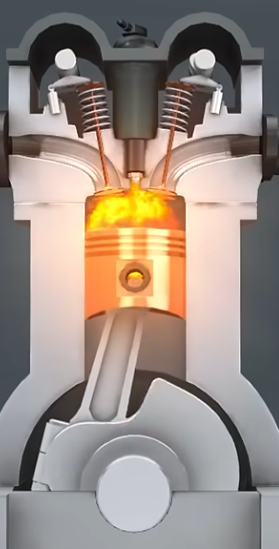
3. Power Stroke
The power stroke is where the magic happens. At the top of the compression stroke, the spark plug ignites the compressed air-fuel mixture. This ignition causes a rapid expansion of gases, forcing the piston back down the cylinder with considerable force. This downward movement is the engine's power stroke, where the energy from the fuel is converted into mechanical work. This stroke drives the crankshaft, which in turn powers whatever machinery the engine is attached to.
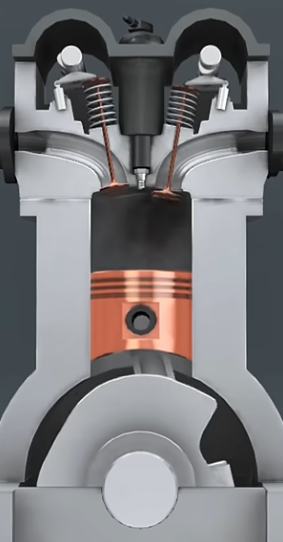
4. Exhaust Stroke
The final phase of the cycle is the exhaust stroke. After the power stroke, the piston moves back up the cylinder again. This time, the exhaust valve opens, allowing the spent gases from the combustion process to be expelled from the cylinder. Clearing these gases is essential to make room for a fresh air-fuel mixture, allowing the cycle to begin anew. Efficient exhaust is crucial for maintaining engine performance and preventing back pressure that can hinder engine operation.
Conclusion
The four strokes of a 4-stroke engine—intake, compression, power, and exhaust—work in harmony to convert fuel into motion. Each stroke plays a critical role in the engine's operation, contributing to its efficiency, power, and reliability. Understanding these strokes not only helps in appreciating the engineering behind small engines but also aids in diagnosing and maintaining engine performance. Whether you're a mechanic, a hobbyist, or simply curious, the 4-stroke cycle is a fundamental concept that underpins much of modern engine technology.
Por enquanto não há comentários.
para ser o primeiro a comentar.