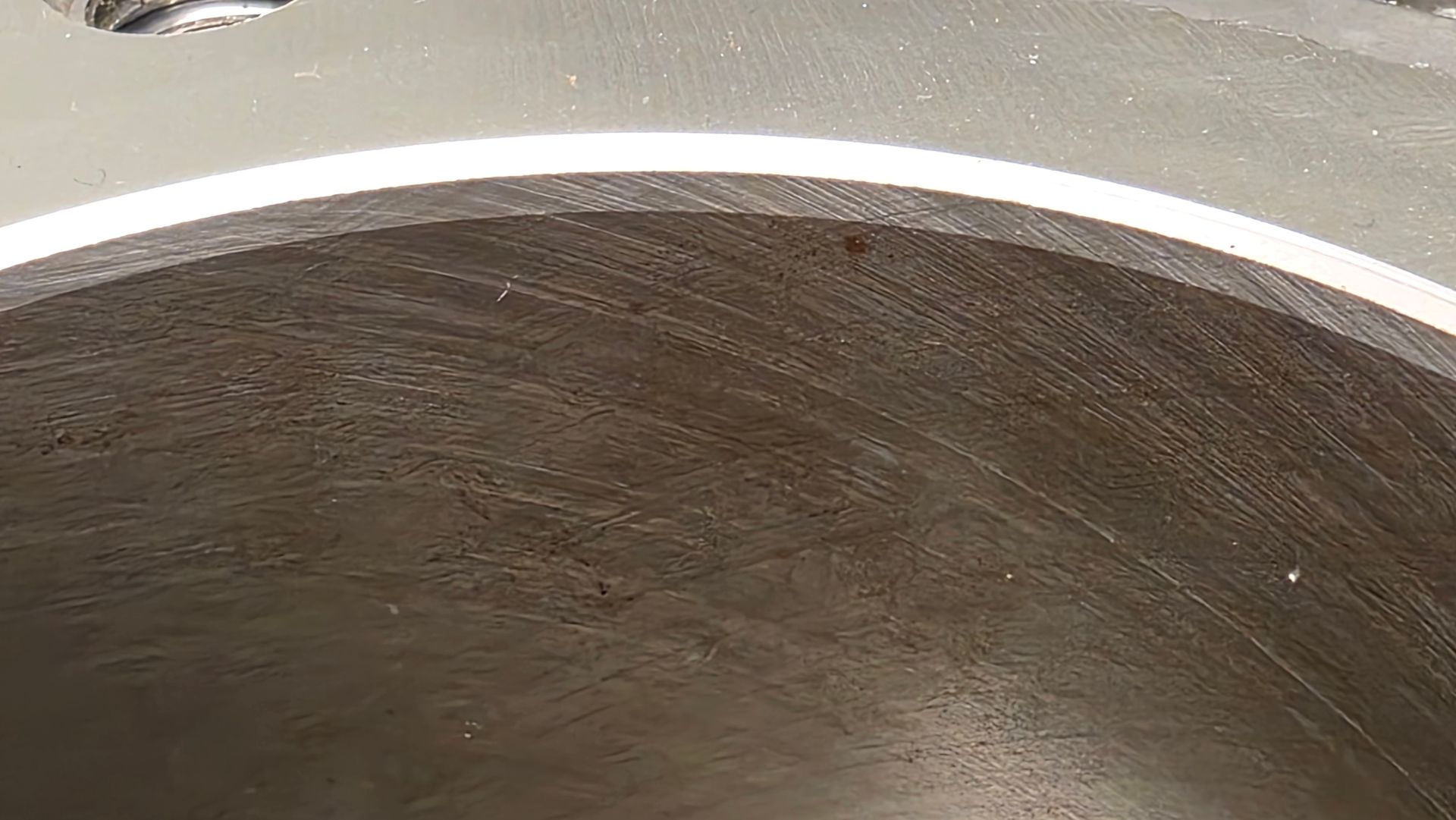
The Microscopic Dynamics of the Break-In Phase: Asperities, Contamination, and Component Longevity
For power equipment technicians, the "first oil change" is often dismissed as a simple maintenance milestone. However, from a tribological perspective, the break-in period is the most critical phase in an engine's lifecycle. Understanding the microscopic interactions between moving parts reveals why skipping or delaying this service leads to irreversible premature wear.
1. The Reality of Machined Surfaces: Understanding Asperities
Despite the precision of modern CNC machining and honing, no metal surface is perfectly smooth. Under a microscope, cylinder bores, bearing journals, and piston rings resemble mountain ranges rather than flat planes. These microscopic peaks and valleys are known as asperities.
During the initial hours of operation, these asperities from opposing surfaces—such as the piston ring face and the cylinder wall—interact. This stage is characterized by boundary lubrication, where the oil film is not yet thick enough to completely separate the metal surfaces.
2. Asperity "Shearing" and the Cold-Welding Phenomenon
As the engine runs for the first time, these microscopic peaks collide. Under the high heat and pressure of combustion, two specific processes occur:
Mechanical Shearing: The peaks are physically snapped off by the movement of the mating parts.
Adhesive Wear (Cold-Welding): At the point of contact, localized temperatures can spike high enough to cause asperities to momentarily weld together and then tear apart as the parts continue to move.
This process is technically known as surface conditioning or "seating." While necessary to create a perfect seal (particularly for piston rings), it releases a high volume of metallic debris into the lubrication system.
3. Impact on Critical Engine Components
The metallic particulate generated during break-in is often sub-micron in size, but it is highly abrasive.
Piston Rings and Bore: The goal of break-in is to "seat" the rings against the cylinder cross-hatching. If the break-in oil is left in too long, the suspended metallic fines act as a lapping compound. Instead of achieving a controlled seat, the abrasive slurry can "glaze" the cylinder walls or cause scuffing, leading to permanent loss of compression and increased oil consumption (blow-by).
Bearings and Journals: Journal engines with pressure lubrication rely on a hydrodynamic wedge of oil to float the crankshaft. Because these clearances are incredibly tight, even microscopic asperity debris can bridge the oil film. Once a particle enters the bearing clearance, it can become embedded in the soft babbitt material of the bearing, creating a permanent "scoring" point on the hardened steel journal.
4. Pressure Lubrication and the Rehlko Evolution
In engines featuring full pressure lubrication, like the Rehlko (formerly Kohler) line, the oil is moved via a pump through internal galleries. While this ensures consistent delivery to high-load areas, it also means that during the break-in period, the pump is actively circulating asperity-laden oil directly into the main bearings.
The 300-Hour Benchmark
To address the long-term health of these systems, Rehlko has introduced 300-hour oil change kits. These kits—comprising Rehlko PRO 10W-50 full synthetic oil and extended-life filters—are engineered to handle the unique thermal and mechanical demands of air-cooled engines.
10W-50 Synthetic Formulation: Unlike automotive oils, this viscosity is shear-stable at the extreme temperatures air-cooled engines experience. This stability maintains a high film strength, preventing the metal-to-metal contact that leads to premature wear.
Filtration Capacity: The PRO filters utilize high-efficiency synthetic media designed to trap the microscopic fines produced during the tail-end of the break-in process, preventing them from recirculating.
5. Correcting the "Warranty Defect" Misconception
A common point of friction with consumers is the occurrence of smoking on startup or high oil consumption. Users often believe these are manufacturing defects covered under warranty. In reality, these are frequently the results of improper break-in:
Improper Seating: If the engine is not run under sufficient load during the first few hours, or if the break-in oil is changed too late, the rings never fully "mate" with the cylinder wall.
Oil Consumption: Gaps between the rings and the bore allow oil to migrate into the combustion chamber (consumption) and combustion gases to enter the crankcase (blow-by).
Startup Smoke: Weak ring tension or bore glazing allows residual oil to seep past the rings into the cylinder while the engine is off, resulting in the characteristic puff of blue smoke upon the next startup.
By utilizing high-performance kits like the Rehlko 300-hour system after the initial break-in period, technicians can ensure the engine maintains a robust seal, effectively eliminating these "nuisance" issues and extending the machine's service life significantly.
This video provides a deep dive into the specific chemistry and filtration technology used in the 300-hour kits to maintain engine cleanliness and performance.